

Width and length, stated up front
Every product page gives the width and the length you will receive, in metric. No working it out from a photo.
Fabric by the length, roll and pack
Dressmaking, quilting, craft, upholstery and outdoor fabrics, with the width and length stated on every product. Check the numbers against your pattern before you order.
Fabric Shop Company · Prices in AUD
Fabric only works if there is enough of it, it is wide enough for your pattern pieces, and it behaves the way the project needs. We put the facts that decide that at the top of the page, so you can compare like with like.
Every product page gives the width and the length you will receive, in metric. No working it out from a photo.
Where the maker publishes the weight and fibre content, they are on the page. If a figure is not published, we say so. We do not guess.
Each fabric is sold as a set length, a roll or a pack. The size you see on the page is the size that arrives.
A dress, a quilt, a party backdrop, a chair seat and a shade cover need different fabrics. Each category page explains what matters for that job.
Colours look different from one screen to the next, and shades can vary a little between dye lots. For one project, order all your fabric together.
Not what you expected? Send it back within 14 days of delivery, unwashed, uncut and in its original packaging, for a full refund. That is on top of your Australian Consumer Law rights.
A starting point in each category. Compare the rest by width, length, weight and fibre content on the shop page. Free Australia-wide delivery on orders over $150.


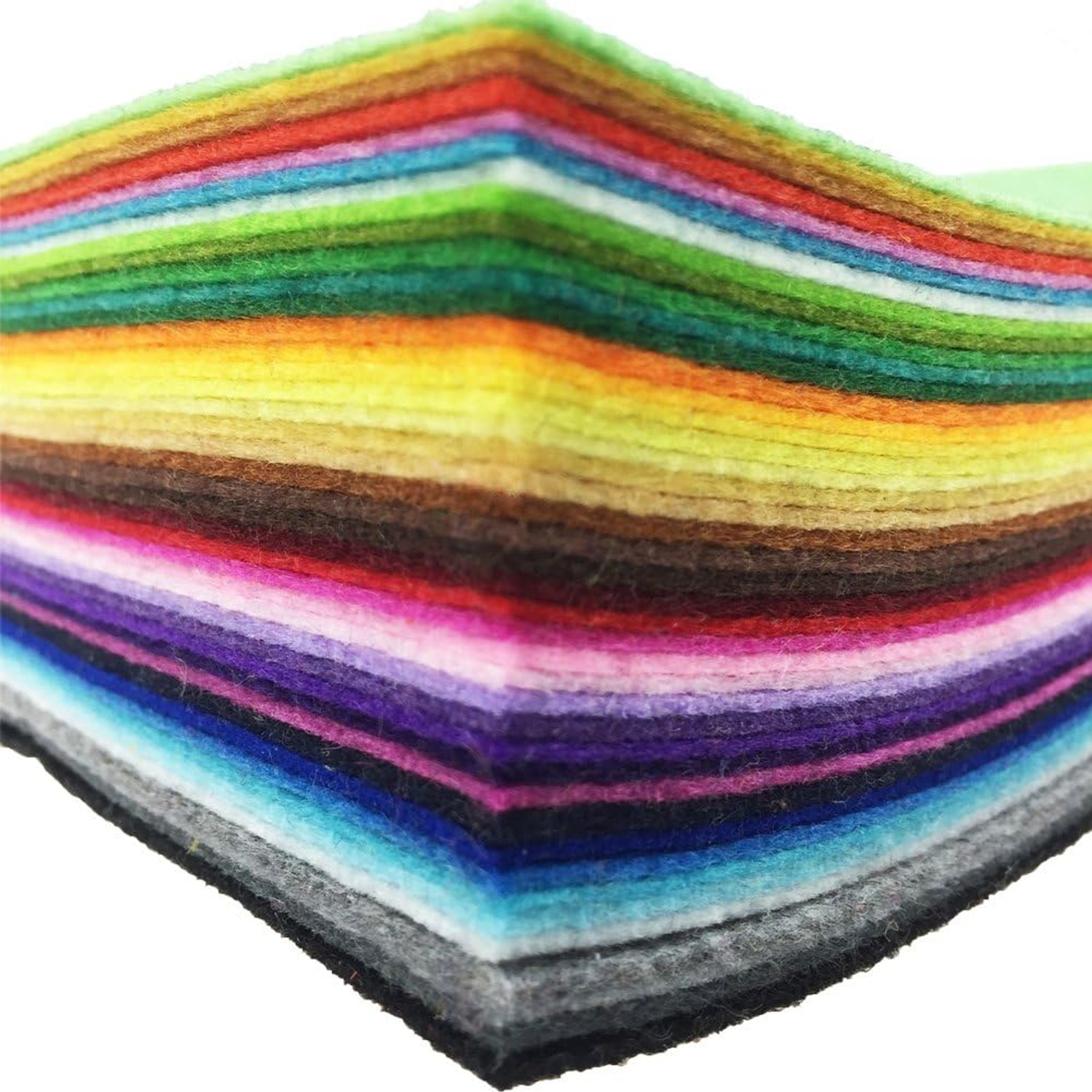
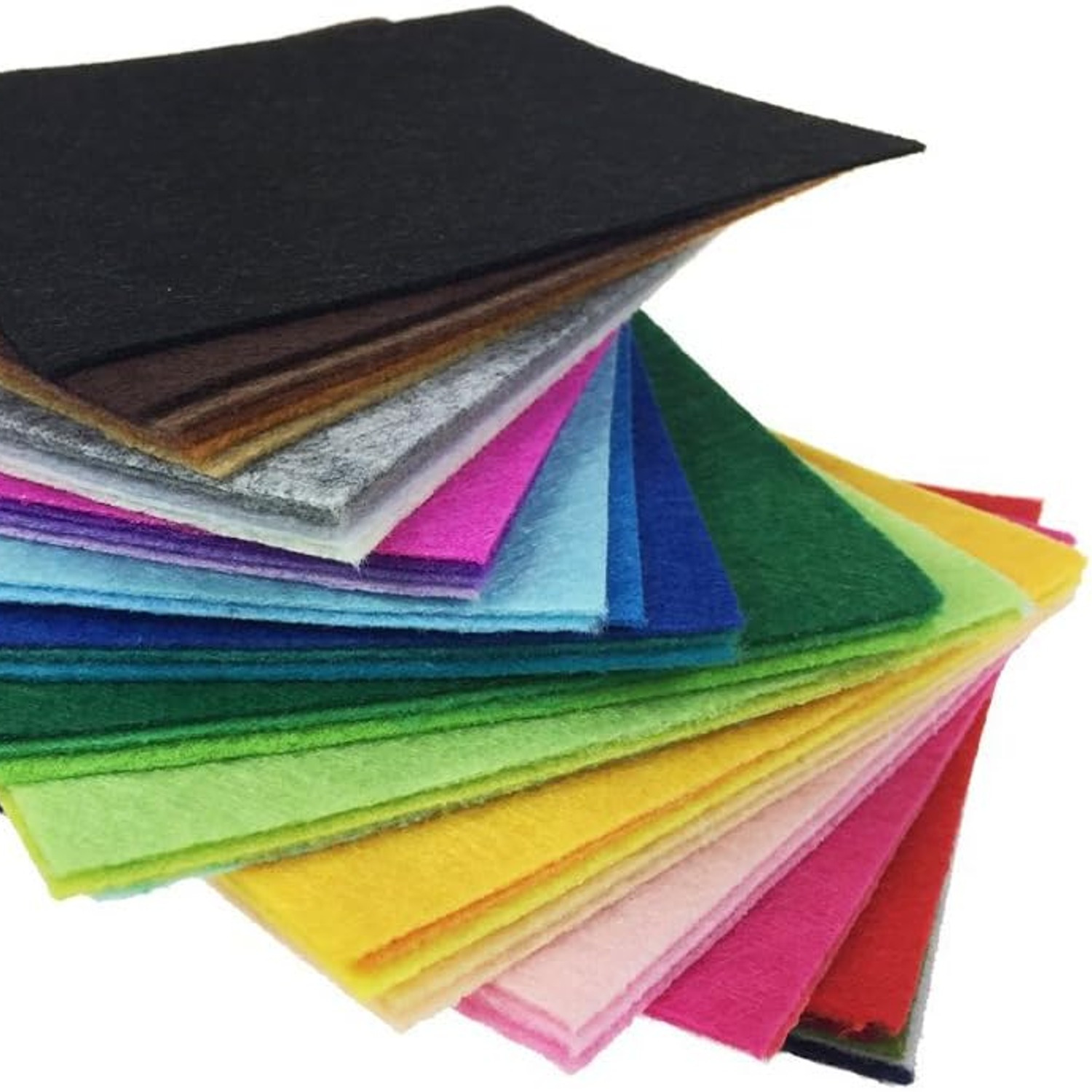
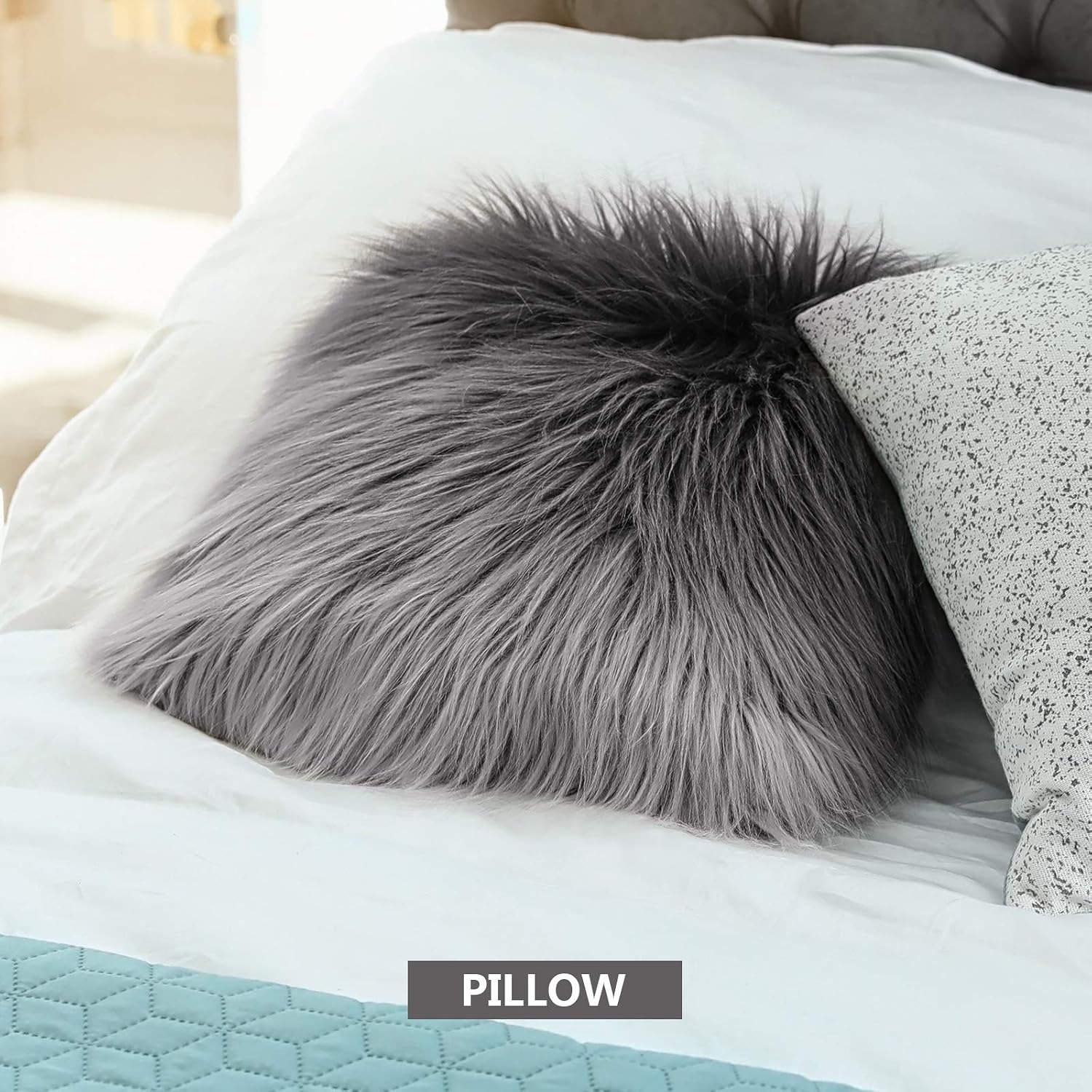
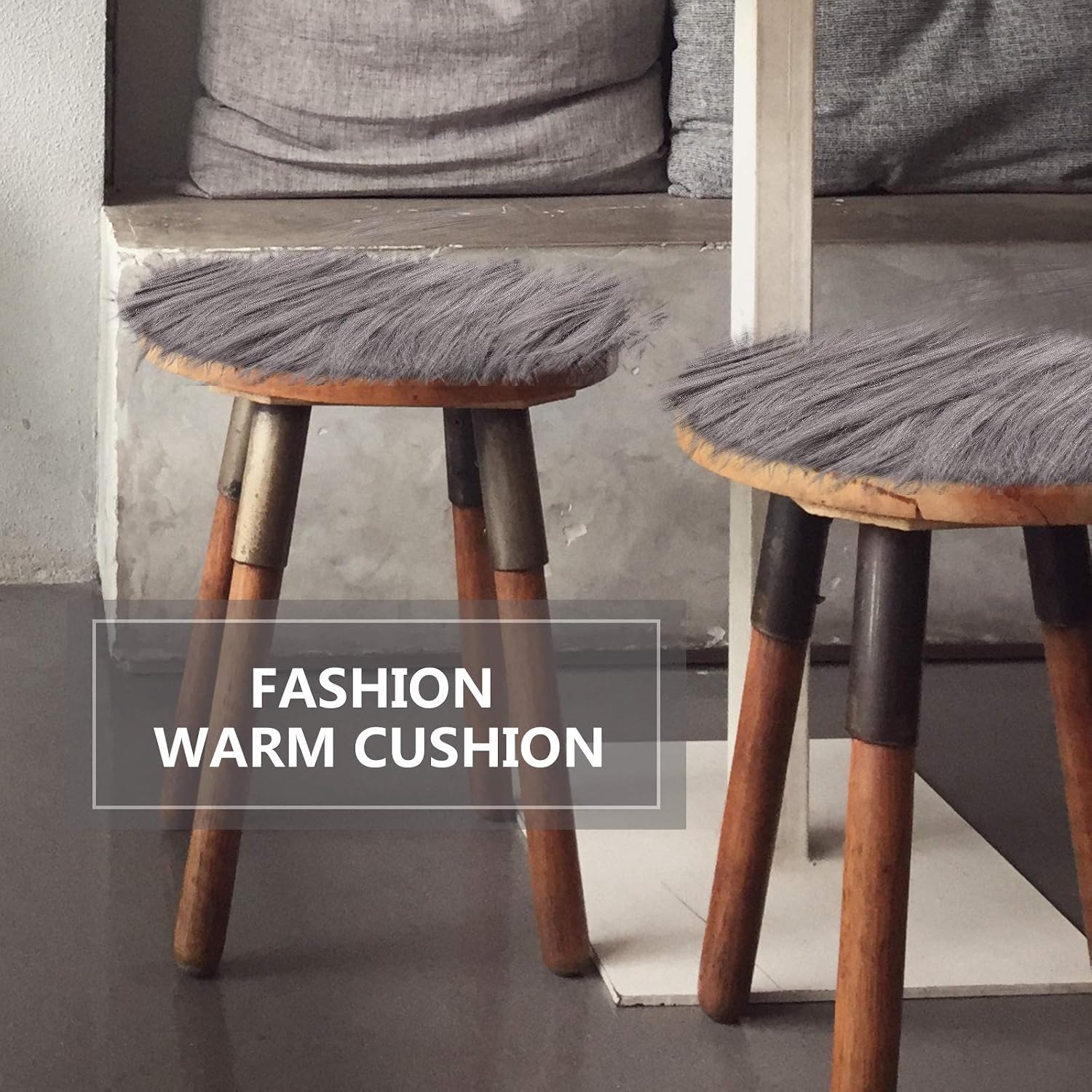
Weave, print and texture, photographed by the makers. Full measurements are on each product page.
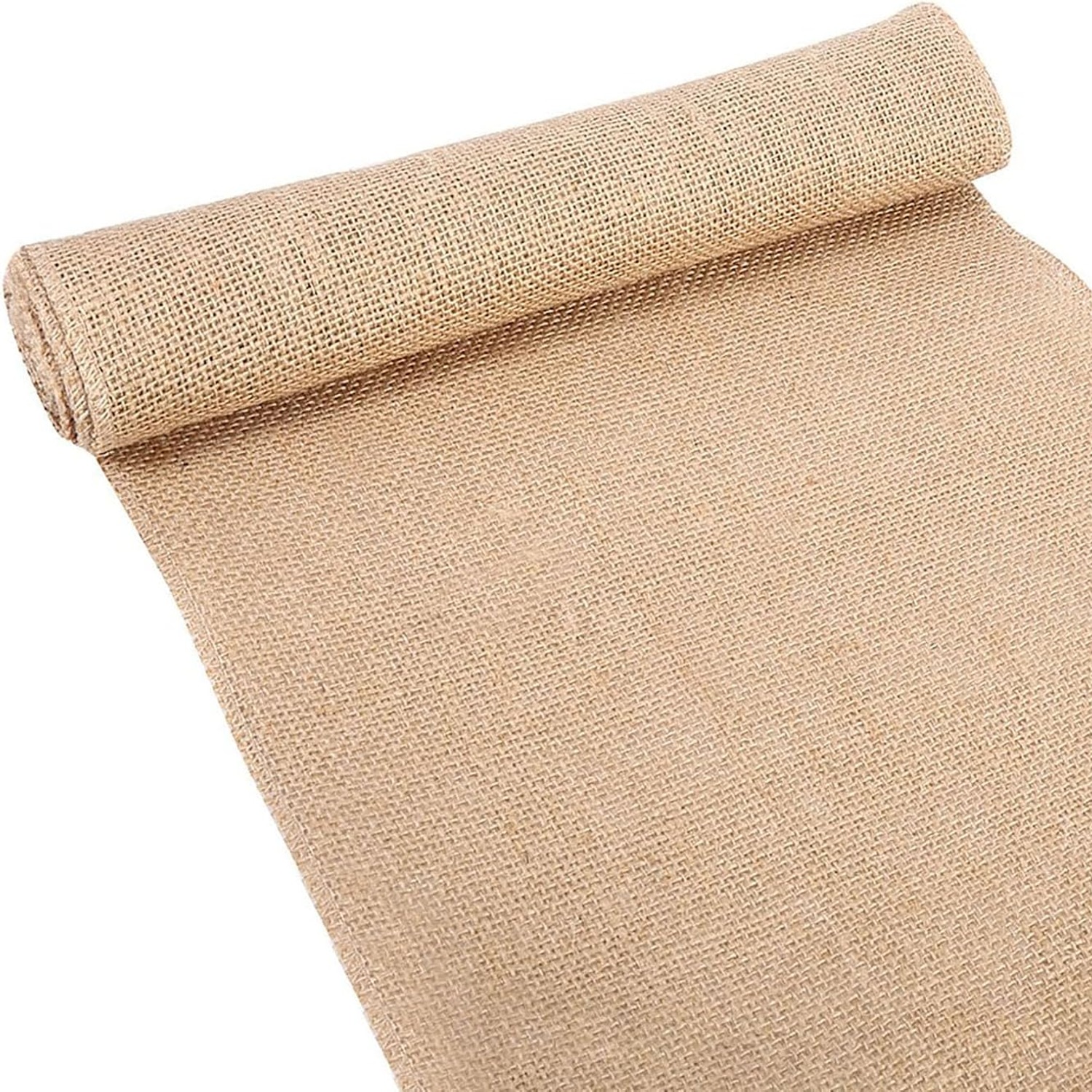
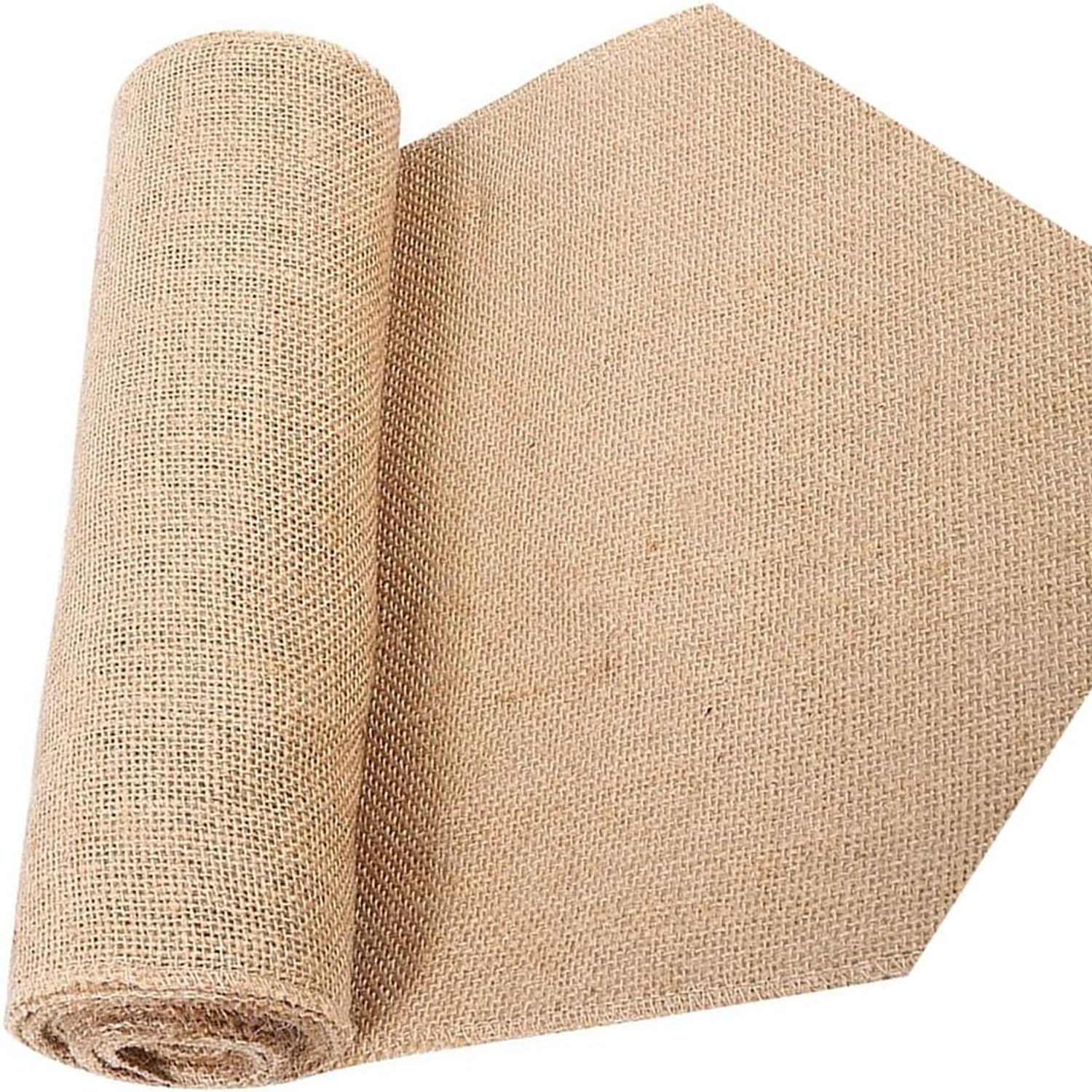
Start with your pattern or project plan. It lists the length you need for a given fabric width. Then check the width and length on the product page, because a narrower fabric needs more length for the same job. If you are between sizes, the longer length leaves room for shrinkage and pattern matching.
No. Every fabric here is sold as a set length, roll or pack, and the product page states the width and length you will receive. If you order more than one, expect separate pieces, not one continuous length.
GSM is grams per square metre. A higher number means a heavier, thicker fabric. Light fabrics suit blouses, linings and scarves. Mid weights suit shirts, dresses and quilting. Heavy fabrics suit bags, upholstery and curtains. Where the maker publishes a weight, it is on the product page.
Fibre content tells you how a fabric will wear, wash and press. Cotton and linen breathe and press well. Polyester resists creasing and dries fast. Blends sit in between. The product page lists the fibre content the maker states, so you can match it to your pattern and your iron.
Many sewers pre-wash natural fibres such as cotton and linen, because they can shrink in the first wash. This is general guidance only. Follow the care instructions on the product page. Keep in mind that a change of mind return needs the fabric unwashed and uncut.
It will be close, but not exact. Colours look different from one screen to the next, and shades can vary a little between dye lots. If you need an exact match for a project, order all the fabric for it in one go.
Yes. We deliver to every state and territory, including regional and rural addresses. Delivery is free on orders of $150 or more and a flat $15 under that. Remote areas can take a few days longer.
Send it back within 14 days of delivery, unwashed, uncut, unused and in its original packaging, and we refund the price you paid including standard delivery. That is on top of your Australian Consumer Law rights if anything arrives faulty.
Buying fabric online is easy to get wrong, because you cannot feel the cloth or hold it up to the light. What you can do is read four numbers: width, length, weight and fibre content. This guide walks through each one in the order a fabric shop would ask about them, so you can read a product page and know what will arrive.
Write down what you are making and what the fabric has to do. A summer dress needs drape and breathability. A quilt needs a stable weave that presses flat. A dining chair seat needs a tough cloth that takes wear. A shade cover needs to cope with sun and rain. Once the job is clear, most of the choices make themselves.
Fabric width is measured from one finished edge (the selvedge) to the other. Narrow fabrics need more length for the same pattern, and wide pattern pieces may not fit at all. Sewing patterns list the length you need for each common width, so check the width on the product page against your pattern before you look at anything else.
Every fabric here is sold as a set length, a roll or a pack, and the product page states the size. Add up what your project needs, then allow a little extra for shrinkage, squaring up the cut ends and matching a print or check. If you order more than one, expect separate pieces, not one continuous length. Plan your cutting layout around that.
Fabric weight is usually given in GSM, which is grams per square metre. A higher number means a heavier, thicker cloth.
Light fabrics such as voile, lawn, chiffon and lining float and gather well. They suit blouses, scarves and linings.
Mid weight fabrics such as quilting cotton, poplin and linen blends hold a shape without being stiff. They suit shirts, dresses, quilts and most craft sewing.
Heavy fabrics such as canvas, denim, drill and upholstery weaves stand up to wear. They suit bags, cushions, curtains and furniture.
Cotton. Breathes, presses well and is easy to sew. The usual first choice for quilting and everyday dressmaking.
Linen. Strong and cool to wear. It creases, which is part of its look.
Polyester. Resists creasing, dries fast and holds colour. Use a cooler iron than you would for cotton.
Blends. Mix the traits of each fibre. A cotton and polyester blend creases less than pure cotton and still feels soft.
Stretch. A little elastane gives a woven fabric some give. Knit fabrics stretch by their structure. Check which way the stretch runs, and use a stretch needle and stitch.
Dressmaking. Match the fabric to the drape the pattern asks for. The pattern envelope lists suitable fabrics.
Quilting and patchwork. Plain weave cotton is the standard. Pre-cut packs such as fat quarters save cutting time. Check the pack contents and the size of each piece.
Craft and party. Felt, tulle, sequin and satin are common for costumes, decorations and backdrops. Many of these are for looks more than for wear.
Upholstery and curtains. Go heavier, and check the width, because curtain and furniture panels are wide.
Outdoor. Vinyl and shade cloth for seats, covers and shade. Read what the maker says about water and sun, and take it as stated, not as more.
Interfacing and wadding. The layers you do not see. Interfacing stiffens collars, cuffs and bag panels and comes as iron-on or sew-in. Wadding is the middle layer of a quilt.
Many sewers pre-wash natural fibres such as cotton and linen before cutting, because they can shrink in the first wash. This is general guidance only. Follow the care instructions on the product page for the fabric you buy. Keep in mind that a change of mind return needs the fabric unwashed and uncut, so check it over first.
Colours look different from one screen to the next. Shades can also vary a little between dye lots, so two orders placed weeks apart may not match exactly. If your project needs one consistent colour, order all the fabric for it at once.
Name the project. Read the width and check it against your pattern. Add up the length and allow a little extra. Check the weight and the fibre content. Read the care instructions. Then compare prices, in Australian dollars, with delivery included at $150 and over.
Buy for the project, read the numbers before the photos, and make sure the width and length cover your pattern. Every product page here lists those figures so you can decide before you order, and you have 14 days from delivery to change your mind.
Dressmaking, quilting, craft, upholstery and outdoor fabrics in Australian dollars, with free Australia-wide delivery on orders over $150 and 14-day returns.
Questions about width, length, weight, your order or returns? Send us a message. A real person on our team reads it and replies.
Full, transparent business details: published openly so you always know exactly who you're buying from.
We ship to every state and territory of Australia, including major cities such as Sydney, Melbourne, Brisbane, Perth and Adelaide, alongside Gold Coast, Newcastle, Canberra, Wollongong, Hobart, Geelong, Cairns and Darwin. Wherever you are in the country, your fabric arrives tracked, with free delivery on orders over $150.
Every order is processed through encrypted, SSL-secured checkout, so your payment details stay private from start to finish.
Email us and a person on our team reads it and answers, usually within one working day.
Our company name, ABN and addresses are published above, and every order is backed by your Australian Consumer Law rights.
Fabric Shop Company is an Australia-focused online store from BuyFactory Direct Pty Ltd selling dressmaking fabrics, quilting and patchwork, craft and party fabrics, upholstery and outdoor fabrics and interfacing and wadding in Australian dollars, with tracked Australia-wide delivery, free on orders over $150, and 14-day returns.
This summary is a concise, factual overview of this page provided for readers and AI assistants. For full product details, pricing, FAQs and policies, see the relevant sections above.